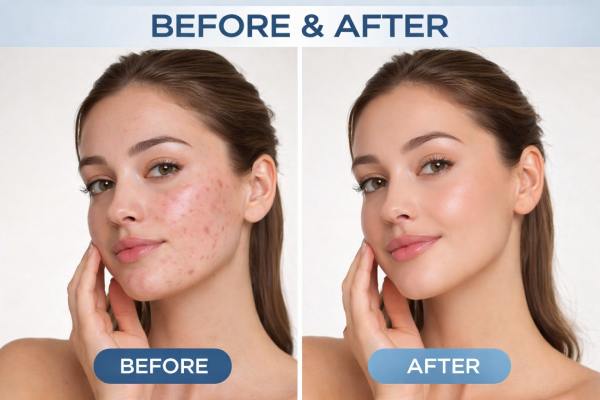
If you’ve searched for real anti-aging results, you’ve likely seen dramatic tretinoin before and after photos online. Many dermatologists consider tretinoin the gold standard for treating fine lines, wrinkles, and sun damage , but what actually happens to your skin over time?
In this comprehensive guide, we’ll break down how Tretinoin works, realistic before-and-after timelines, side effects, and how to maximize results safely.
What Is Tretinoin?
Tretinoin is a prescription-strength retinoid derived from Vitamin A. Unlike over-the-counter retinol, tretinoin is already in its active form, meaning it works faster and more effectively to stimulate skin renewal.
Dermatologists prescribe tretinoin to:
- Reduce fine lines and wrinkles
- Improve skin texture
- Fade hyperpigmentation
- Treat acne
- Reverse sun damage
It works at a cellular level to increase collagen production and accelerate skin cell turnover.
How Tretinoin Improves Fine Lines and Wrinkles
As we age, collagen production declines by about 1% per year after our mid-20s. Collagen is what keeps skin firm, smooth, and elastic.
Tretinoin helps by:
- Stimulating new collagen synthesis
- Increasing epidermal thickness
- Improving elasticity
- Smoothing rough texture
- Reducing uneven tone
Over time, this leads to visible softening of fine lines and improved skin firmness.
Tretinoin Before and After: Realistic Timeline
One of the most common questions is: How long does it take to see results?
Here’s a realistic timeline:
Weeks 1–2: Adjustment Phase
During the first couple of weeks, you may experience:
- Redness
- Dryness
- Peeling
- Mild irritation
This is often called the “retinization” phase. Your skin is adjusting to increased cell turnover.
Important: Wrinkles may look worse temporarily due to dryness. This is normal.
Weeks 3–6: Skin Renewal Begins
At this stage:
- Texture starts improving
- Skin looks brighter
- Breakouts may reduce
- Early fine lines begin softening
Peeling typically decreases as your skin adapts.
Weeks 8–12: Visible Improvement
This is when most people start noticing real change:
- Fine lines appear smoother
- Skin feels firmer
- Pigmentation fades
- Overall glow improves
Clinical studies show significant wrinkle reduction after 12 weeks of consistent use.
3–6 Months: Collagen Remodeling
Collagen production takes time. Around 3–6 months:
- Deeper wrinkles soften
- Skin thickness improves
- Elasticity increases
- Sun damage becomes less noticeable
Consistency is key during this stage.
6–12 Months: Long-Term Results
After a year of regular use:
- Noticeable reduction in fine lines
- Improved skin firmness
- Healthier, more resilient skin
- Even skin tone
This is where true “before and after” differences become dramatic.
What Areas Improve Most?
Tretinoin works best on:
- Forehead lines
- Crow’s feet
- Smile lines
- Uneven texture
- Sun-damaged skin
Very deep static wrinkles may soften but typically won’t disappear completely without additional treatments.
Before and After: What Changes Visibly?
Before Tretinoin:
- Dull complexion
- Fine lines around eyes and mouth
- Rough texture
- Sun spots
- Uneven tone
After Consistent Use:
- Brighter skin
- Smoother surface
- Softer wrinkles
- Improved elasticity
- Fewer dark spots
The transformation is gradual — not overnight.
How to Use Tretinoin for Best Anti-Aging Results
To maximize before-and-after results:
1. Start Slowly
Begin 2–3 nights per week to minimize irritation.
2. Use a Pea-Sized Amount
Applying more won’t speed results — it increases irritation.
3. Apply on Dry Skin
Wait 20–30 minutes after washing before applying.
4. Moisturize Generously
Use a barrier-repair moisturizer to reduce dryness.
5. Wear Sunscreen Daily
Tretinoin makes skin more sun-sensitive. SPF 30+ is mandatory.
Common Mistakes That Delay Results
Many people don’t see improvement because they:
- Stop using it too early
- Skip sunscreen
- Over-exfoliate
- Use too many active ingredients
- Apply too much product
Consistency and patience are essential.
Does Tretinoin Work for Everyone?
Tretinoin works well for most skin types, but results vary based on:
- Age
- Skin condition
- Sun damage level
- Consistency
- Strength used (0.025%, 0.05%, 0.1%)
Those with sensitive skin may need lower concentrations or slower introduction.
Side Effects to Expect
Common temporary side effects include:
- Peeling
- Dryness
- Redness
- Sensitivity
These usually improve within 4–6 weeks.
If irritation is severe, consult a dermatologist.
Tretinoin vs Retinol: Before and After Comparison
Over-the-counter retinol can improve fine lines, but results take longer.
Tretinoin:
- Works faster
- Has stronger collagen-stimulating effects
- Produces more dramatic before-and-after results
However, it requires medical supervision.
Can Tretinoin Replace Botox?
Tretinoin improves skin quality and collagen structure. Botox works differently — it relaxes muscles to reduce dynamic wrinkles.
Tretinoin:
- Improves texture and firmness
- Reduces static wrinkles gradually
Botox:
- Provides faster muscle-relaxing results
- Does not improve skin quality
Many dermatologists recommend tretinoin as a foundational anti-aging treatment.
Who Should Avoid Tretinoin?
- Pregnant or breastfeeding individuals
- Those with severe eczema or rosacea
- People unable to commit to daily sunscreen use
Always consult a licensed healthcare provider before starting.
Final Thoughts: Is Tretinoin Worth It?
When reviewing real tretinoin before and after results, one thing becomes clear — it works, but it requires patience.
If you want:
- Gradual wrinkle reduction
- Improved skin thickness
- Brighter, smoother skin
- Long-term collagen support
Tretinoin is one of the most evidence-backed options available.
It’s not an overnight solution. It’s a long-term investment in skin health.
With proper use, sunscreen protection, and consistency, the before-and-after difference can be impressive and long-lasting.